

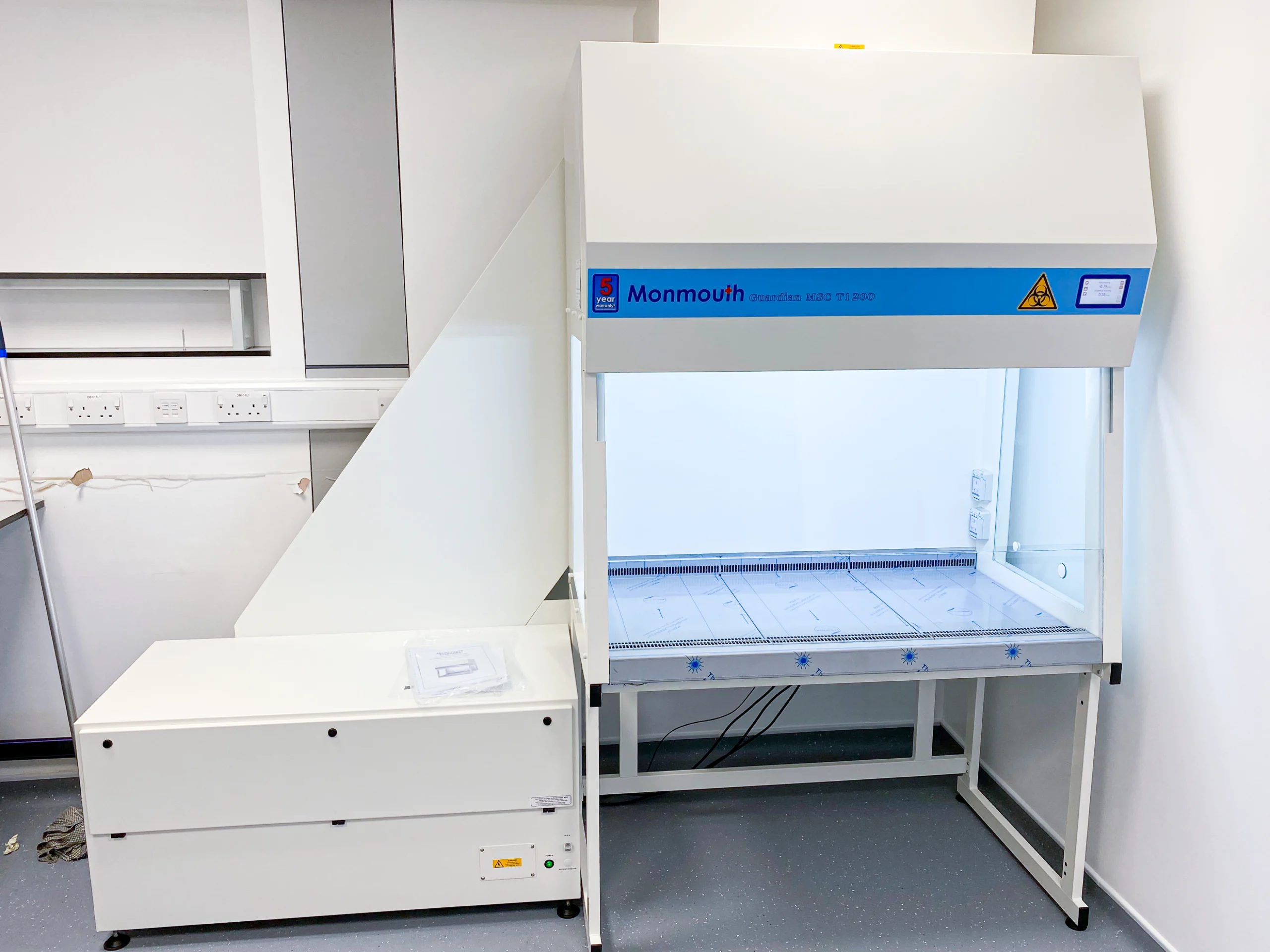
Selecting Class 2 Biological Safety Cabinet Configuration.
Biological research environments require carefully controlled conditions to support the safe handling of biological materials and the integrity of experimental procedures. From academic research institutions to specialist laboratories, containment equipment should be selected around the specific requirements of the application, considering the biological materials being handled, any associated chemicals and the level of protection required.
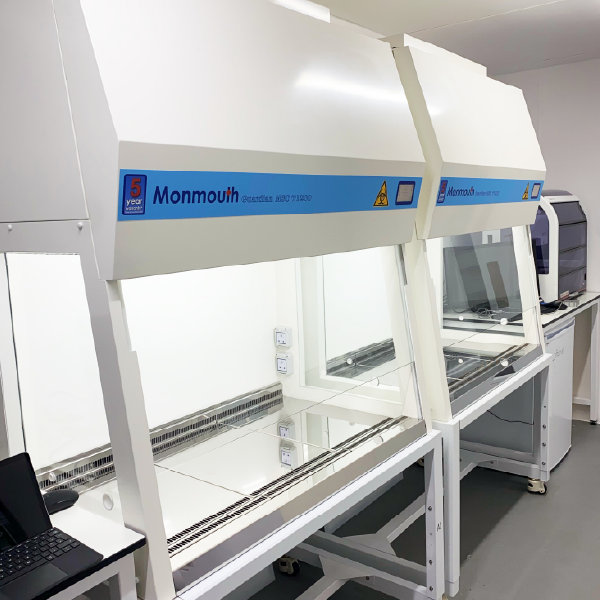
A recent installation within a UK university’s Department of Zoology demonstrates how configuring a Class 2 Biological Safety Cabinet to suit the application can help support a safe and effective research environment.
The Application.
Researchers within the department required a containment solution that would provide protection for personnel, biological samples and the laboratory environment while supporting a range of biological research activities.
The department’s work included procedures requiring consideration of both biological containment and suitable chemical filtration. As with many research laboratories, the exact requirements were determined by the materials being handled and the procedures being performed.
Rather than selecting a standard cabinet configuration, the solution was tailored to meet the laboratory’s specific operational requirements, ensuring the cabinet configuration aligned with the department’s research activities and laboratory risk assessment.
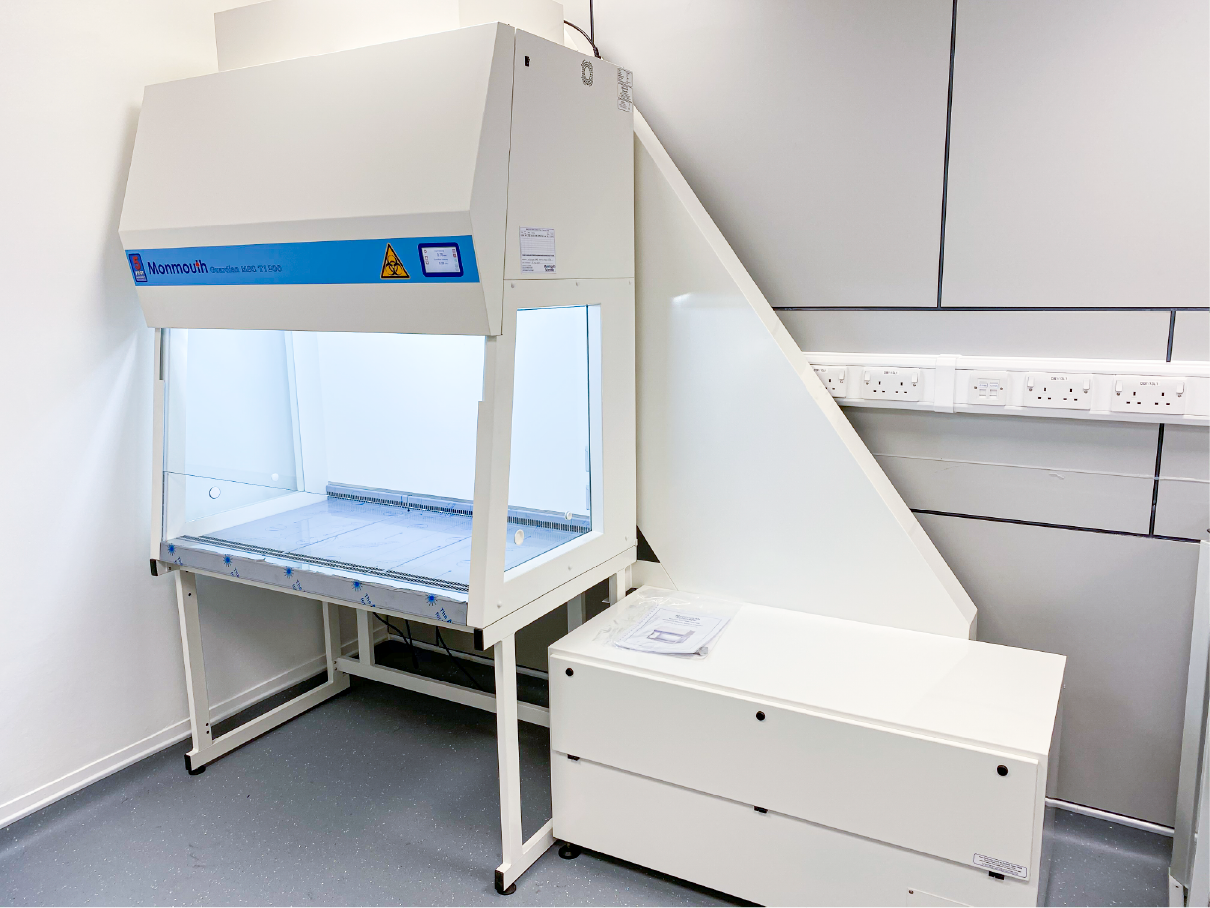
The Solution.
To support its research activities, the department installed a Guardian Type A2 Class 2 Biological Safety Cabinet configured with an Activated Carbon Filter Exhaust System.
Using controlled airflow together with HEPA filtration, the cabinet can provide ISO Class 5 clean air conditions within the working chamber, helping to protect:
- Researchers working with biological materials
- Sensitive biological samples from contamination
- The surrounding laboratory environment
For applications involving suitable volatile chemicals alongside biological materials, where appropriate, the Activated Carbon Filter Exhaust System provides additional filtration within the exhaust pathway.
The suitability of this configuration depends on the chemicals being used, their concentration, usage patterns and the findings of the laboratory risk assessment.
Configuration Selection.
No two biological research laboratories are identical. Research programmes, workflows and risk assessments all influence the most appropriate containment solution.
Selecting the correct Class 2 Biological Safety Cabinet involves more than choosing the cabinet itself. The filtration system, exhaust configuration and operational requirements should all be considered to ensure the solution is appropriate for the intended application.
This installation demonstrates how configuring a Class 2 Biological Safety Cabinet around the requirements of the laboratory can provide researchers with a containment solution that supports both safe working practices and the practical demands of day-to-day biological research.
Every laboratory has different containment requirements. Monmouth Scientific works with researchers, laboratory managers and facilities teams to understand their containment requirements and identify solutions that align with their processes, materials and operational needs.
Speak to our technical team to discuss how a Class 2 Biological Safety Cabinet can be configured around your application or view the technical specification for the Guardian Class 2 Biological Safety Cabinet.
BS EN 12469:2000 — Biotechnology — Performance criteria for microbiological safety cabinets

ISO 14644-1:2015 — Cleanrooms and associated controlled environments — Classification of air cleanliness by particle concentration

Health and Safety Executive (HSE) — Biological agents: Managing the risks in laboratories and healthcare settings

World Health Organization (WHO) — Laboratory Biosafety Manual, Fourth Edition
Trusted by Leading Facilities.
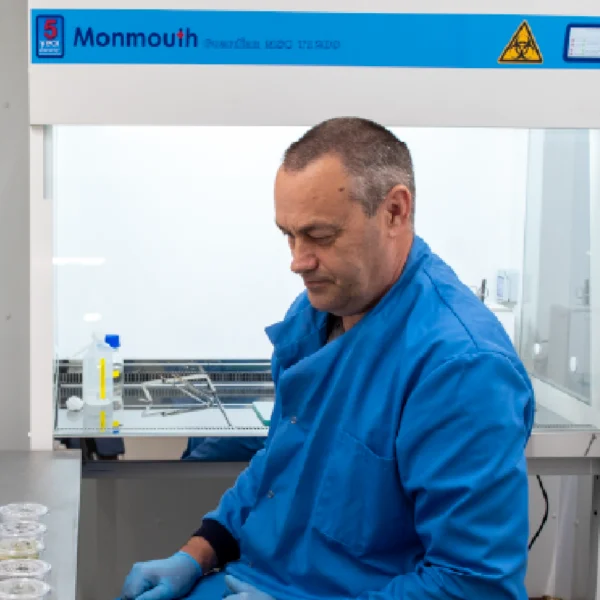
National Trust
Product | Class 2 Biological Safety Cabinet
Sector | Education & Research
Location | Devon, UK
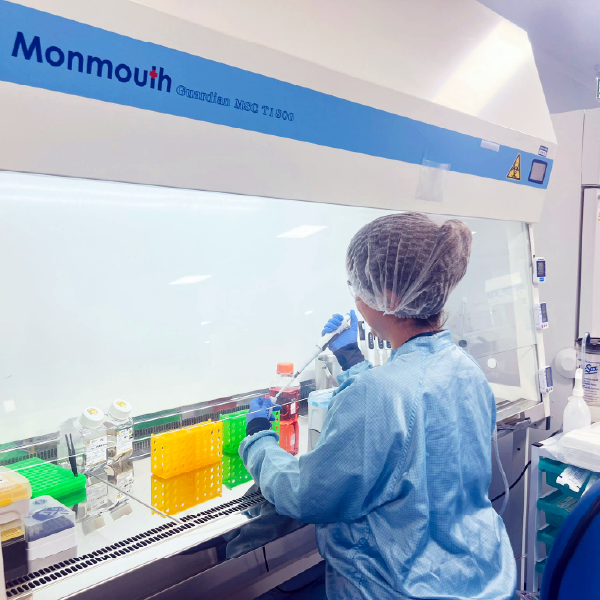
Molecular Devices
Product | Class 2 Biological Safety Cabinet
Sector | Life Science & Pharmaceutical
Location | Cardiff, UK
Open Cell Labs
Product | Class 2 Biological Safety Cabinet
Sector | Life Science & Pharmaceutical
Location | London, UK