

Differences Between Biological Safety Cabinets and Laminar Flow Cabinets
Technical Insights: Understanding Protection, Airflow, and Application Requirements.
Controlled environments are essential in biological, clinical, pharmaceutical, and research laboratories to ensure product integrity, operator safety, and environmental protection. Two commonly used pieces of equipment are Biological Safety Cabinets (BSCs) and Laminar Flow Cabinets (LFCs). Though they look similar and both use HEPA filters, they have different functions.
In essence, BSCs are designed to protect people and the environment, while LFCs focus on protecting the product. Understanding this distinction is essential for choosing the right solution for specific laboratory processes and maintaining compliance with biosafety standards.
Misapplication of these systems can lead to increased risk of sample contamination, operator exposure, or regulatory non-compliance, particularly when handling biological or potentially hazardous materials. That’s why it’s so important to understand how airflow works in each system, what they’re designed to do, and when to use them. With that knowledge, labs can put the right safety measures in place, work more confidently, and keep both people and data protected
Biological Safety Cabinets.
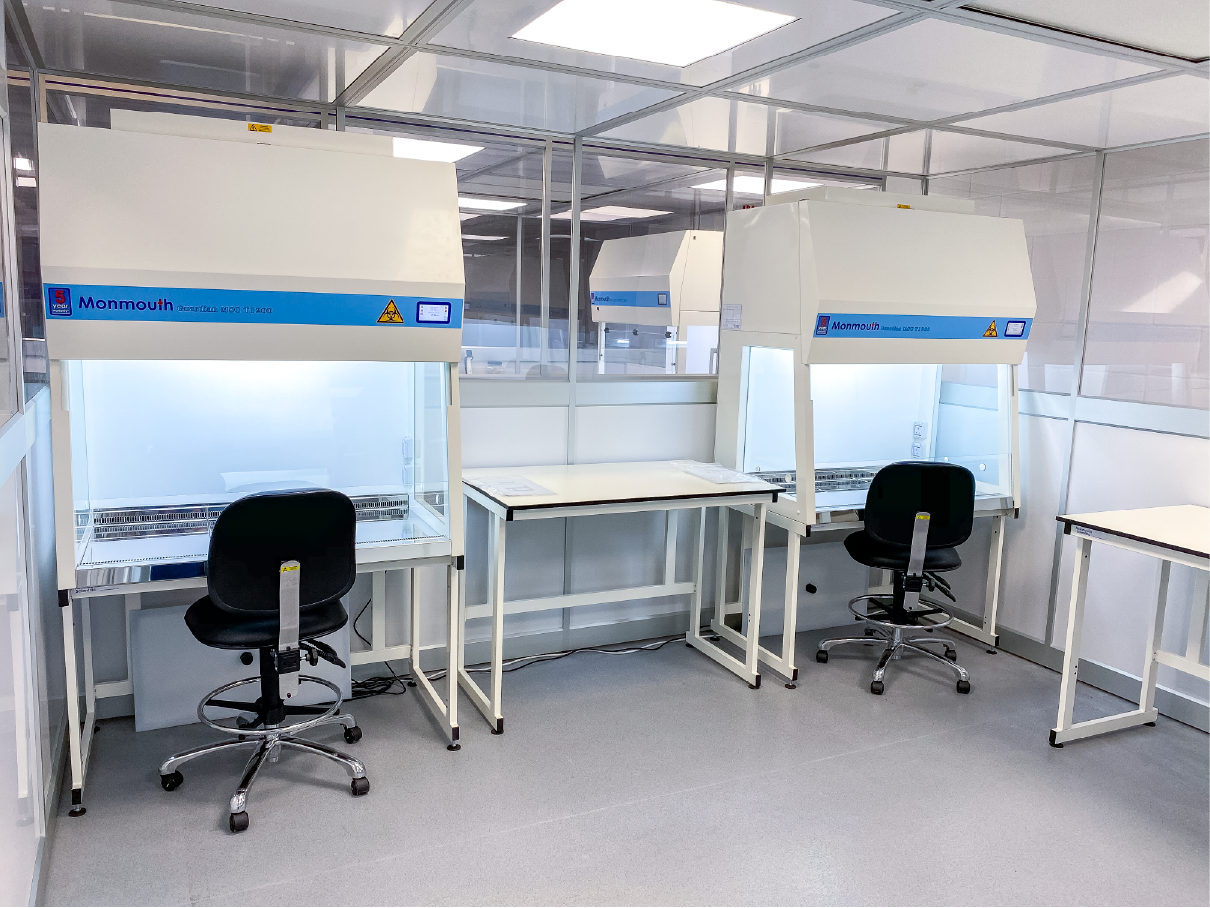
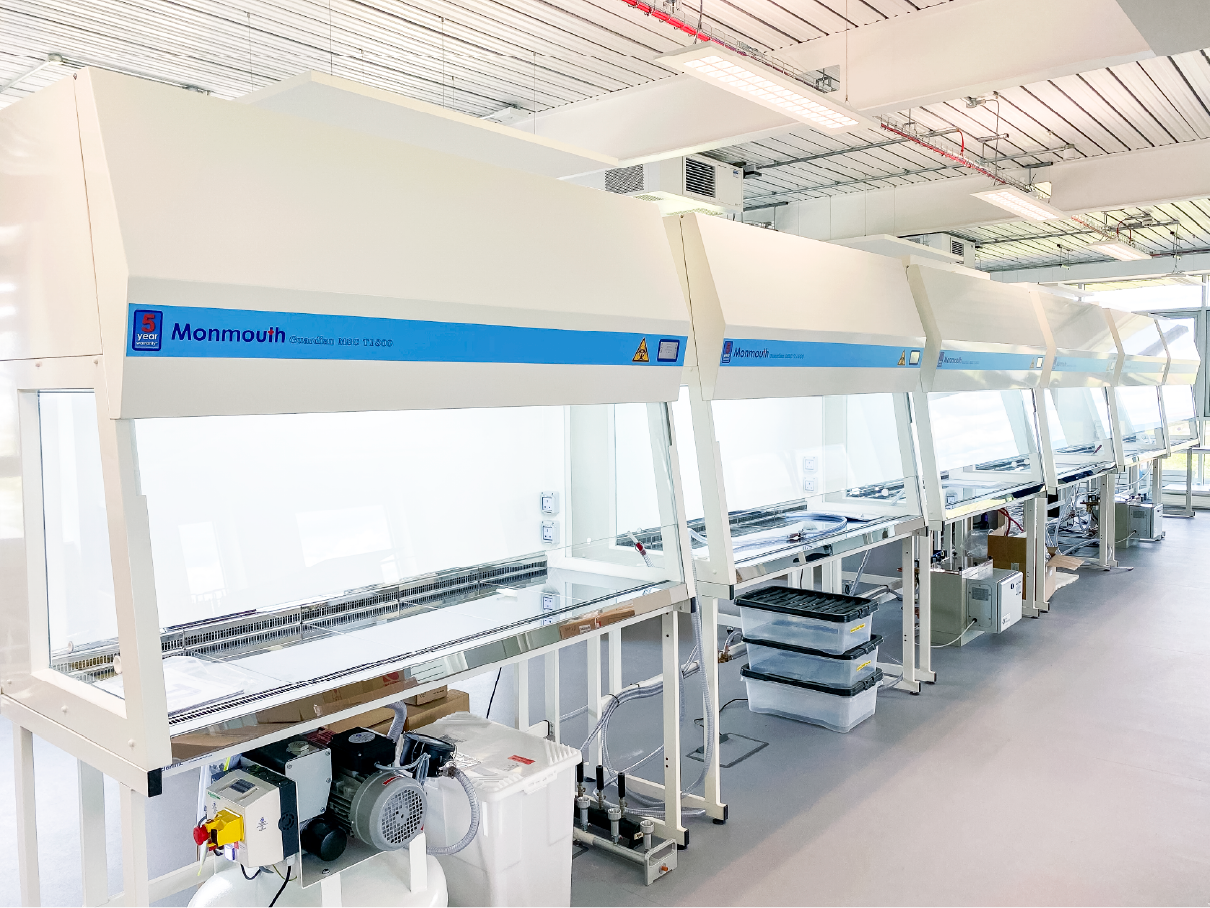
A Biological Safety Cabinet (BSC) serves as a primary containment system designed to protect the operator, the product, and the environment from exposure to hazardous biological agents. BSCs are commonly used in microbiology, clinical diagnostics, pharmaceutical development, and research laboratories handling infectious or potentially infectious materials, including cell cultures, viral vectors, and clinical specimens.1
BSCs use a carefully engineered airflow system that draws air inward from the front opening and pushes it downward over the work surface. This design minimizes the escape of aerosols generated during laboratory manipulations and prevents contamination of both the operator and the surrounding laboratory environment. Hence, supporting safe handling of high-risk biological samples.1
Biological Safety Cabinets are classified into Class I, Class II, and Class III, with Class II cabinets being the most widely used. Class II BSCs provide simultaneous personnel, product, and environmental protection, making them suitable for work conducted at Biosafety Levels 1–3, depending on the cabinet subtype and facility design.2
Laminar Flow Cabinets.
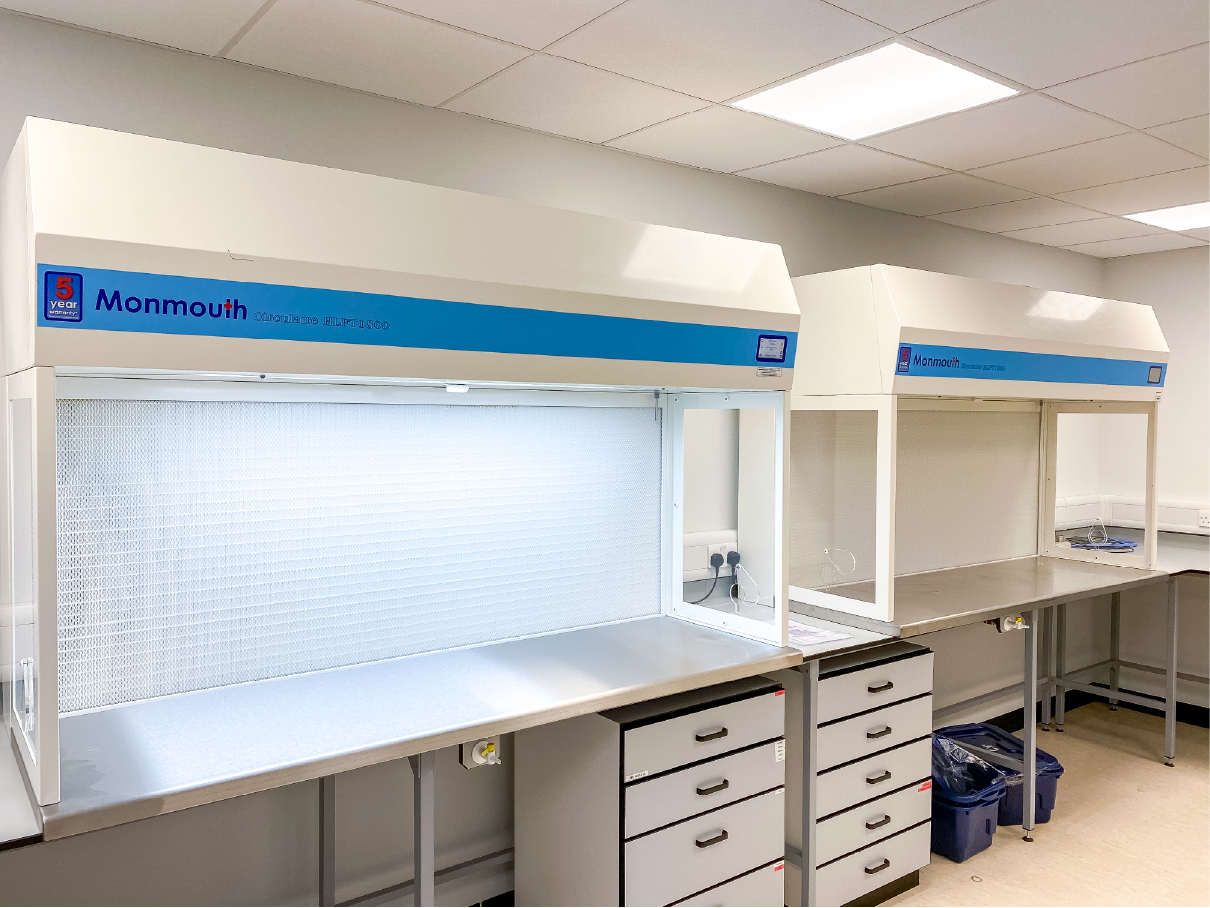
A Laminar Flow Cabinet (LFC), also referred to as a clean bench, protects samples from particulates by directing HEPA-filtered air in a steady horizontal or vertical flow across the work surface, which ultimately creates a clean, particle-free zone over the working area for sensitive materials.3
Unlike Class II BSCs, LFCs protect only the product and do not shield the operator or room, so they are unsuitable for hazardous biological work. This is largely because the air flows outward from the cabinet toward the user or the surrounding room.
If any aerosols or contaminants are generated during work, they can be released directly into the lab space. This presents a potential health risk, especially when biological agents are involved. For this reason, laminar flow cabinets should not be used for handling hazardous biological materials.4
Laminar flow cabinets are typically used for non-hazardous applications such as sterile media preparation, electronics assembly, optical component manufacturing, and pharmaceutical applications where product cleanliness is the primary concern, but personnel and environmental protection are not required.
Key Operational Differences: Airflow and Filtration.
Airflow design is the most critical operational difference between BSCs and LFCs. Biological Safety Cabinets protect the operator with inward airflow, the sample material with downward HEPA-filtered airflow, and the room with HEPA-filtered exhaust air.1,2 They are designed for biocontainment, making them appropriate for handling infectious agents, cell cultures, viral vectors, and aerosol-generating procedures.
Laminar Flow Cabinets use unidirectional HEPA-filtered airflow across the work surface but exhaust air directly into the room without containment, providing no protection beyond sample cleanliness.4 They should only be used for non-hazardous, product‑clean procedures and not for use with infectious agents or aerosol-generating steps because they do not protect personnel or the environment.
Research indicates that airflow velocity, cabinet loading, and user technique significantly influence the containment effectiveness of BSCs, reinforcing the importance of proper cabinet selection and operation when working with biohazards.5
Application-Driven Selection.
The choice between a BSC and an LFC should be guided by a formal risk assessment and a clear understanding of the process being performed.
- Choose a Biological Safety Cabinet when working with pathogenic microorganisms, clinical samples, genetically modified organisms, or any material that poses a biological risk to personnel or the environment.1,2
- Choose a Laminar Flow Cabinet when working with sterile, non-hazardous materials where maintaining product cleanliness is the only requirement.3
Regulatory bodies and biosafety guidelines consistently emphasize that laminar flow cabinets are not substitutes for biological safety cabinets in containment-required applications.1
Conclusion.
Although Biological Safety Cabinets and Laminar Flow Cabinets may appear similar, their functions, safety profiles, and intended applications are fundamentally different. BSCs protect personnel and the environment from biological hazards, while laminar flow cabinets protect product sterility.
Understanding these distinctions is essential for laboratories to make informed equipment choices, maintain regulatory compliance, and support safe, effective operations. Choosing the wrong cabinet can increase exposure risk, weaken biosafety controls, and lead to regulatory consequences, especially in environments working with hazardous materials. When containment is required, always opt for a BSC.
Not sure which cabinet is right for your lab? Contact our Technical Specialist today for expert guidance on selecting and maintaining the right containment solution.
References.
- Kruse R.H, et al., (1991), Biological safety cabinetry. Clin Microbiol Rev. Apr;4(2):207-41.
- Centers for Disease Control and Prevention, & National Institutes of Health. (2020). Biosafety in microbiological and biomedical laboratories (6th ed.). U.S. Department of Health and Human Services.
- Nagaraju, P.T and Indhu, V., (2015), Laminar airflow hood: Working principle and applications. International Journal of Pharmacy and Pharmaceutical Sciences, 7(2), 373–377
- Whyte W. Cleanroom Technology: Fundamentals of Design, Testing and Operation. John Wiley & Sons; 2010.
- Peng, G.; et al, Research and Prospects of Airtightness of Biological Laboratory Enclosures: Influencing Factors and Evaluation Methods. Buildings,15, 2314.
Trusted by Leading Facilities.

National Trust
Product | Class 2 Biological Safety Cabinet
Sector | Education & Research
Location | Devon, UK

Molecular Devices
Product | Class 2 Biological Safety Cabinet
Sector | Life Science & Pharmaceutical
Location | Cardiff, UK
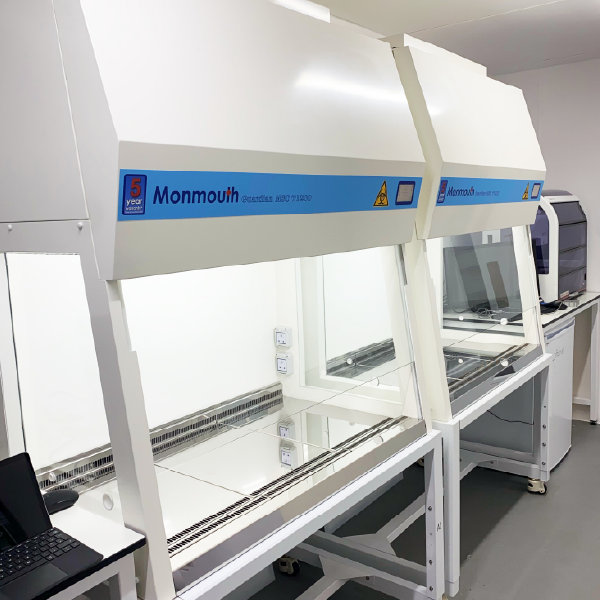
Open Cell Labs
Product | Class 2 Biological Safety Cabinet
Sector | Life Science & Pharmaceutical
Location | London, UK