Product


National Trust Plant Conservation Centre
Case Study | The Monmouth Scientific Class 2 Biological Safety Cabinet ensuring safe, sterile, and successful propagation at the National Trust Plant Conservation Centre.
Class 2 Biological Safety Cabinet
Sector
Life Science & Pharmaceutical
Location
Devon, UK

The Client
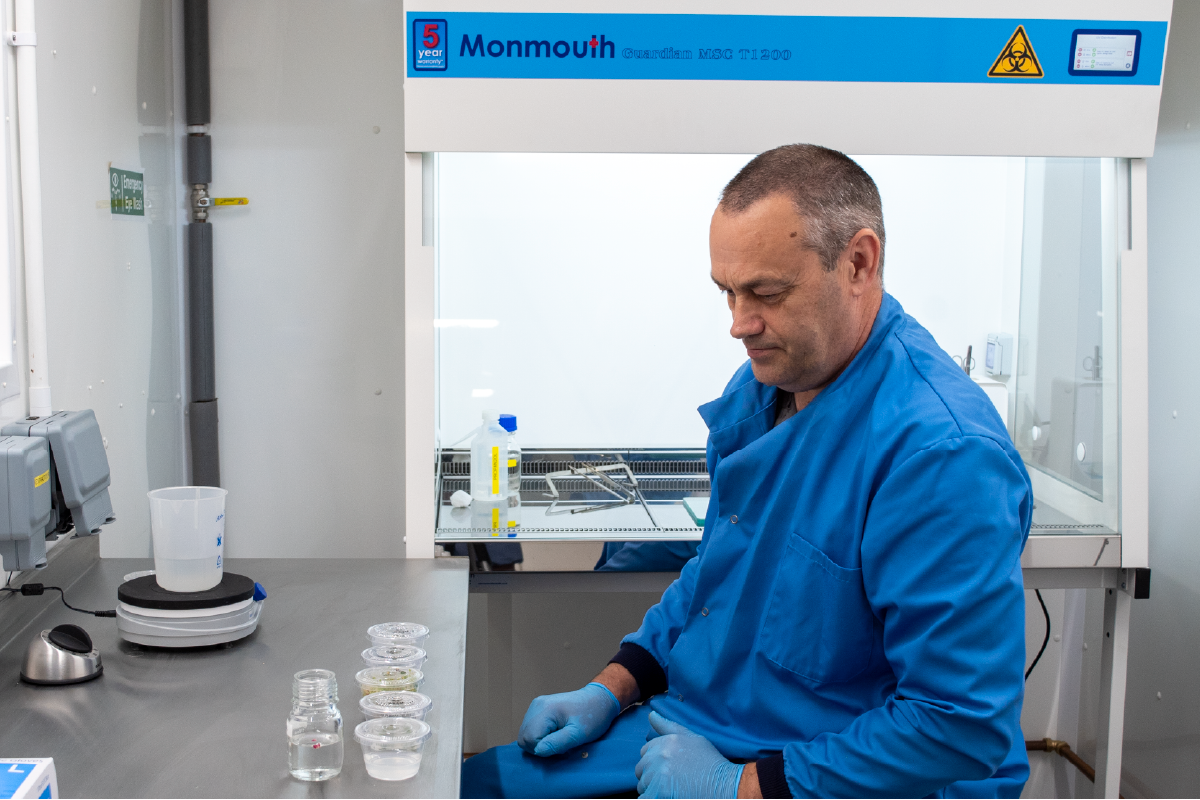
The National Trust’s Plant Conservation Centre [PCC] is dedicated to preserving rare, endangered, and historically significant plant species.
It combines modern horticultural techniques, research-driven practices, and precise biosecurity measures to ensure that unique plants, some on the brink of extinction, continue to thrive and remain accessible for future generations.
The Challenge
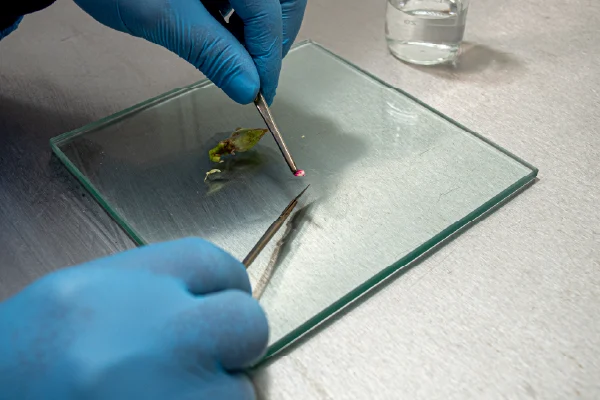
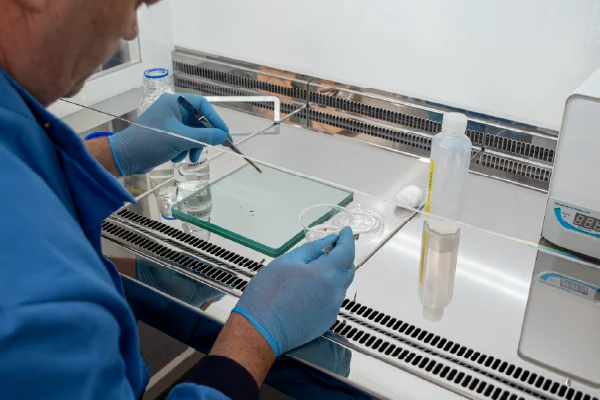
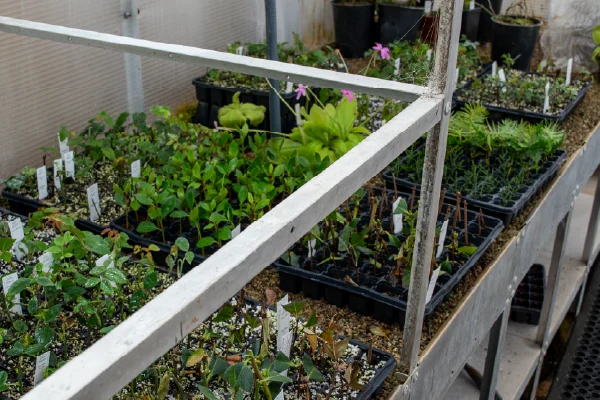
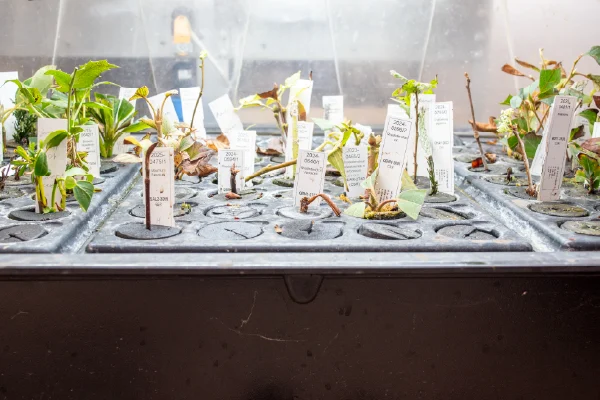
The PCC faced the ongoing challenge of propagating delicate plant species while maintaining strict biosecurity standards. Techniques such as grafting and tissue culture, processes in which flower buds, meristems, or leaf sections are cultured under sterile conditions, require meticulous control to prevent contamination and ensure plant survival.
Overall, the PCC required a solution that would:
- Protect both staff and plant material during delicate propagation procedures.
- Provide a sterile environment to reduce contamination risk.
- Improve operational efficiency for research and conservation activities.
The Solution
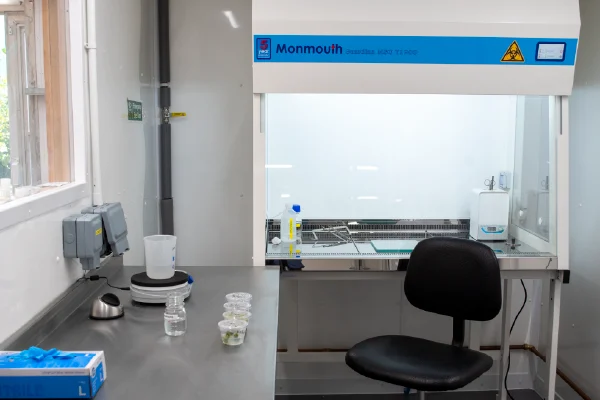
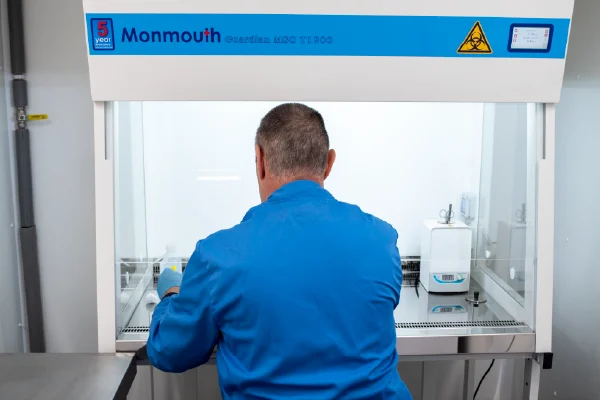
To meet these challenges, the PCC installed a Monmouth Scientific Guardian Class 2 Biological Safety Cabinet [MSC]. This cabinet provides a controlled, sterile environment, enabling staff to carry out delicate propagation and tissue culture activities safely and effectively.
Key benefits of the Class 2 MSC:
- Personnel Protection: Inward airflow prevents staff exposure to biological material.
- Sample Protection: Maintains a sterile workspace to prevent contamination of delicate plant tissues.
- Environmental Protection: Filters exhaust air, safeguarding the broader laboratory environment.
The Class 2 MSC forms a vital part of the PCC’s broader strategy for protecting plant biodiversity against environmental challenges. It is combined with strict laboratory protocols to manage plant health.
- Quarantine: Newly acquired or rescued plant material is carefully isolated and monitored within the MSC before introduction into the main laboratory or growth facilities.
- Disinfection and Hygiene: Staff follow strict hygiene practices, including foot scrubbing, hand washing, and disinfecting all tools and surfaces, preventing contamination.
The Result
Since the installation of the Class 2 MSC, the PCC has achieved:
- Improved Propagation Rates: Sterile conditions reduce contamination, increasing success in tissue culture, grafting, and micropropagation.
- Enhanced Safety: Staff can conduct delicate propagation work with confidence, knowing they are fully protected.
- Operational Efficiency: Propagation and research activities are carried out more reliably, improving workflow and reducing delays.
In addition to these immediate results, the PCC continues to make substantial contributions to UK plant conservation:
- Seed and Tissue Banks: Maintaining collections of rare and endangered species.
- Reintroduction Projects: Supporting plant reintroduction initiatives across the UK.
- Research Collaborations: Working with academic institutions to study propagation and disease resistance.
- Public Education: Raising awareness of the importance of plant biodiversity and conservation.
By integrating the Class 2 MSC into these practices, the PCC has strengthened its leadership role in plant conservation, ensuring all propagation projects meet the highest standards, so even the rarest species have the greatest chance of survival against the threats posed by climate change, habitat loss, disease, and human activity.
This project has been featured by LabMate Online, AZoNetwork, and BioScience Today, highlighting Monmouth Scientific’s role in supporting clean air and containment solutions for leading research institutions.
The Feedback
The Monmouth Scientific Class 2 MSC is now fundamental to our work and ensures that both our staff and plant material are fully protected. It allows us to carry out delicate plant propagation safely and efficiently.
The team at Monmouth Scientific have been fantastic to work with, their guidance and support made the installation and integration into our lab entirely seamless.
Chris Trimmer, Plant Conservation Centre Manager